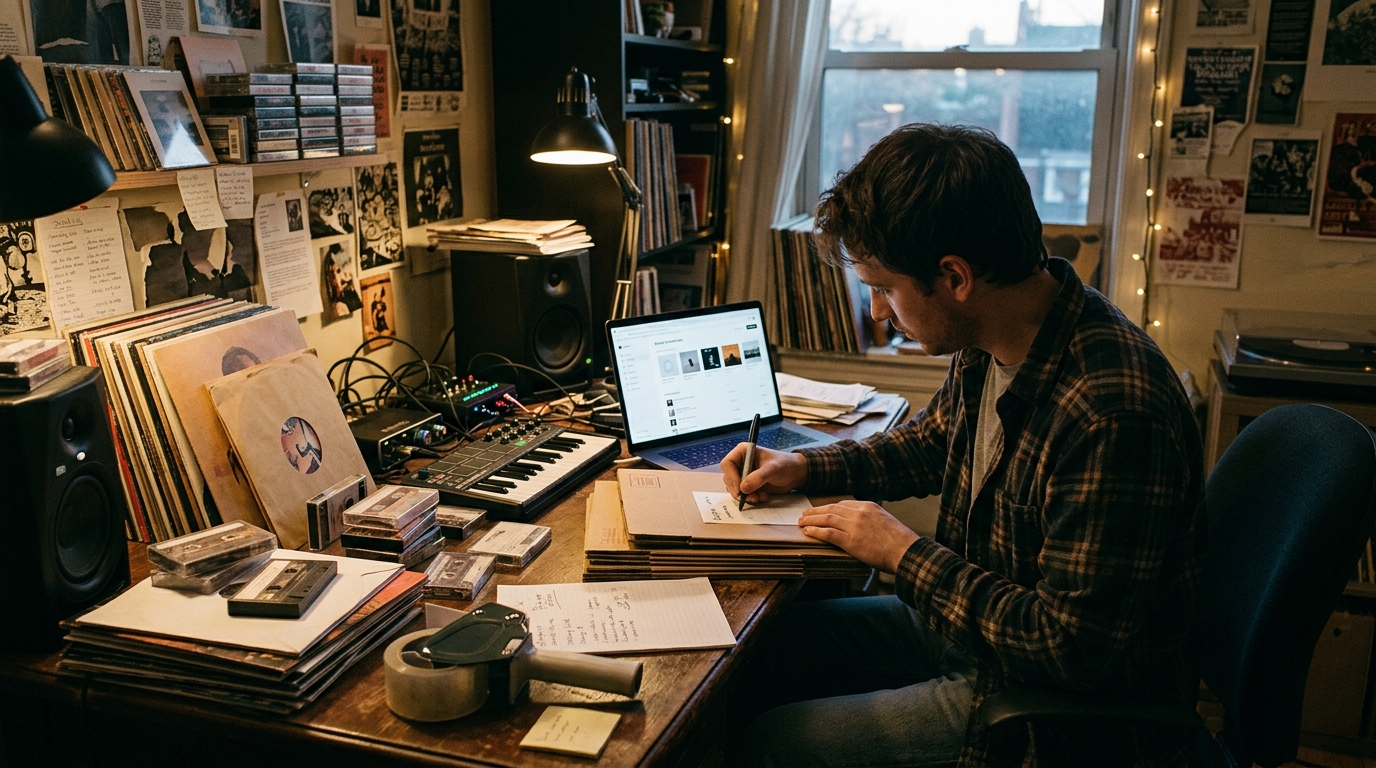
Bandcamp Friday 2026 still matters because independent music has a money problem as much as a discovery problem. Artists can reach listeners around the world, yet attention does not always turn into useful income.
Streaming makes music easy to hear. Social platforms make songs easy to share. Neither system guarantees that an artist can pay for recording, mixing, mastering, merchandise, touring, or even the next release.
Bandcamp Friday offers a different model. On selected Fridays, Bandcamp waives its revenue share from music and merchandise sales. More of each purchase can then reach the artist or label, apart from payment-processing costs and other applicable fees.
The latest Bandcamp Friday took place on October 2, 2026. Two more dates remain this year: November 6 and December 4.
For independent artists, those dates can become useful release moments. For listeners, they offer a simple way to turn music discovery into direct support.
Why Bandcamp Friday 2026 Still Matters in a Streaming World
Streaming and direct buying serve different purposes. A streaming service offers fast access to a huge catalog. A direct purchase creates a clearer connection between one listener and one artist.
That difference becomes more important as digital music grows more crowded. New tracks arrive every day. Algorithmic feeds can place a bedroom producer beside a major-label artist, a catalog reissue, or a fully synthetic release.
Infamouz explored that problem in our article about AI-generated music flooding streaming platforms. The issue is not simply that more music exists. The real problem is that volume can make human effort harder to see.
Direct support does not solve discovery. It does create another signal. A listener is saying that this release deserves more than a passive play.
Direct Purchases Change the Relationship Between Artist and Listener
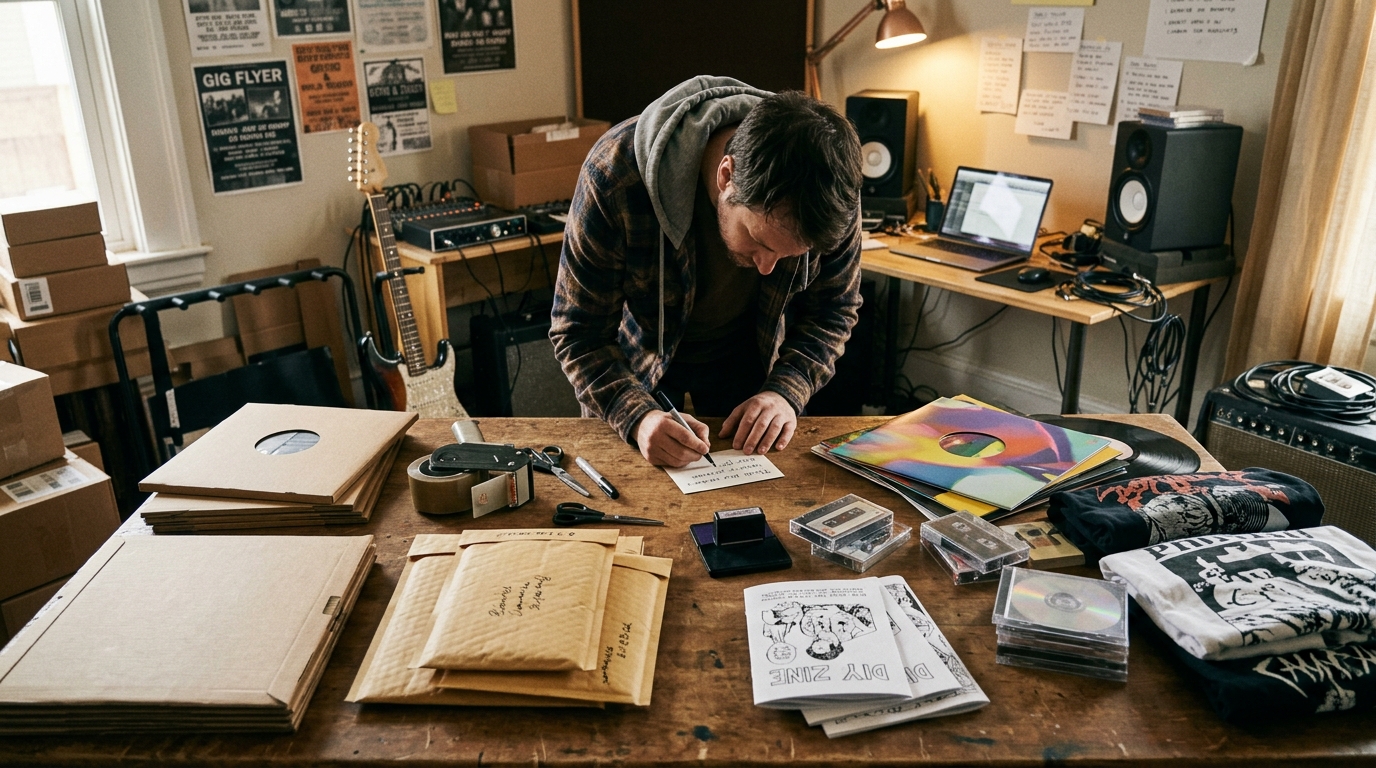
A Bandcamp purchase can include a digital album, vinyl record, cassette, CD, shirt, poster, or another item. In many cases, fans can also pay more than the minimum asking price.
That changes the tone of the transaction. The listener is not simply renting access from a platform. They are choosing to support a specific release.
Bandcamp says artists normally receive an average of about 82% of a sale after the platform share and payment fees. During Bandcamp Friday, the company waives its own revenue share.
That does not mean every dollar reaches the musician. Processing costs and taxes can still apply. Physical merchandise also has production and shipping costs.
Still, the structure makes the link between a purchase and an artist much easier to understand.
Why One Purchase Can Matter More Than Hundreds of Passive Plays
There is no honest universal formula that converts one album purchase into a fixed number of streams. Streaming payouts differ by platform, country, subscription type, rights ownership, and other factors.
The better comparison is practical. A direct purchase has a clear price. The artist knows that a person chose to spend money on that release.
This can matter for small projects. Twenty album sales may help pay for mastering. A group of vinyl orders may help cover manufacturing. Merchandise sales can help fund travel to a show.
More importantly, buyers often become stronger followers. They may join a mailing list, buy another release, attend a concert, or tell friends about the artist.
Independent culture grows through those relationships. It rarely survives on raw reach alone.
Bandcamp Is More Than a Checkout Page
The direct-sale model works because Bandcamp also acts as a discovery platform. Fans can browse by genre, location, format, and tags. They can follow artists and see what other listeners collect.
Bandcamp Daily and Bandcamp Radio add editorial discovery. That matters because human context can surface music that would struggle inside a purely engagement-driven feed.
The platform currently features scenes that range from experimental electronics and indie rock to hip-hop, metal, jazz, field recordings, and small regional movements.
That variety fits the way independent music actually works. Scenes rarely grow in neat categories. They form through labels, record shops, small venues, message boards, DJs, writers, collectors, and friends sharing links.
Infamouz has already looked at the physical side of that culture in Vinyl’s Next Chapter Is Recycling, Not Just Collecting. A record is valuable partly because someone chose to keep it. Direct digital purchases can create a smaller version of that same feeling.
The Event Works Because Fans Know When to Show Up
Bandcamp Friday began during the pandemic, when touring income disappeared for many musicians. The event continued after live music returned.
Its lasting value comes partly from repetition. Fans know that certain Fridays have a clear purpose. Artists know they have a reason to communicate with supporters.
Bandcamp says fans have spent more than $120 million through Bandcamp Fridays since the program began. The company scheduled eight Bandcamp Fridays during 2026.
October 2 has already passed. November 6 and December 4 remain on the calendar.
Those dates can create short bursts of attention for artists who might otherwise struggle to find a natural reason to promote an older release or a small catalog.
Discovery Matters More When the Feed Is Overloaded
The internet does not have a shortage of music. It has a shortage of attention.
That makes intentional discovery more valuable. A person who opens a platform with the goal of finding one album may listen differently from someone moving through an endless short-video feed.
Our article Why Social Media Rarely Creates Real Creative Flow looks at a related problem. Feeds are good at keeping attention moving. They are less reliable at helping people stay with one demanding idea.
Music discovery can suffer from the same pattern. A song becomes a fifteen-second fragment. The listener recognizes the hook but never learns the artist’s name.
Direct-sale platforms create more friction. In this case, that can be useful. Reading credits, browsing a label, looking at artwork, and choosing a format slows the experience down.
That extra attention gives music a better chance to become more than background content.
How Artists and Fans Can Use the Remaining Bandcamp Fridays in 2026
Bandcamp Friday works best when artists do more than post “buy my music” on the morning of the event.
The stronger approach starts earlier. Give people a reason to care about the release before asking for money.
That reason might be a story about how the album was made. It could be a new cassette run, unreleased demos, updated liner notes, a small merch item, or a bundle built around an older record.
Fans can also prepare before the date. Follow artists you actually want to support. Add releases to a wishlist. Decide what fits your budget.
This keeps Bandcamp Friday from becoming another form of panic shopping.
Artists Should Treat Bandcamp Friday as a Campaign, Not a Countdown
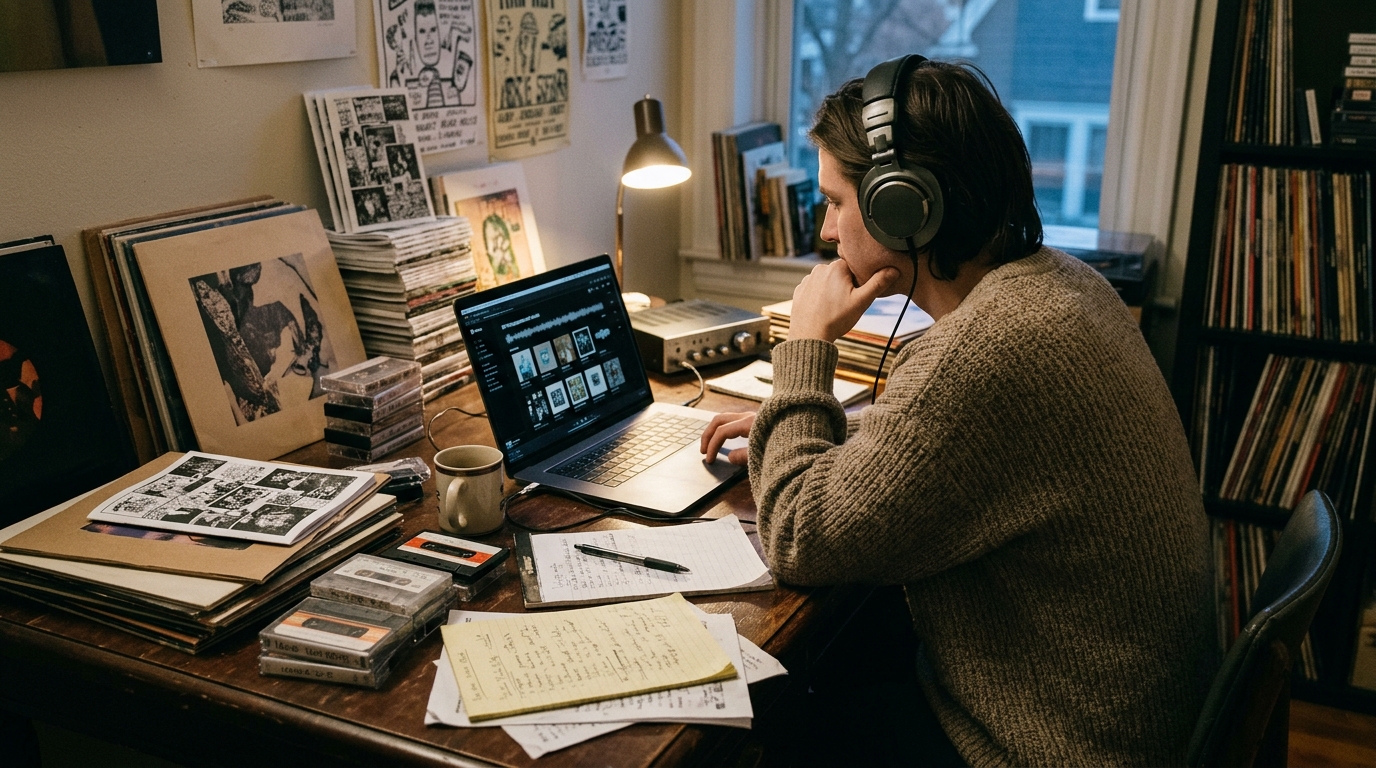
Independent artists do not need expensive marketing to use the event well. They do need clear information.
Start with the release page. Make sure the artwork looks good. Check the credits. Explain the format. List shipping costs honestly. Use accurate release dates.
If you sell vinyl or cassettes, tell buyers whether the item is already in stock or still being manufactured. Delays can damage trust faster than a small audience can afford.
Digital artists should also think about presentation. Add lyrics when useful. Include production credits. Write a short note about the project instead of filling the page with vague promotional language.
A personal story often works better than hype. Explain why this release exists.
What to Do Before November 6 and December 4
Artists can start by reviewing their Bandcamp page now. Fix broken links and outdated biographies. Check merchandise quantities. Confirm shipping prices.
Next, choose one clear message for the next Bandcamp Friday. Do not promote ten unrelated things at once.
You might highlight one album and one piece of merchandise. Another option is a simple catalog bundle. Some artists may use the day to launch a new project.
Tell mailing-list subscribers first. Direct communication is useful because it does not depend completely on an algorithm deciding whether followers see the post.
Social media can still support the campaign. Use it to point people toward the release rather than making the feed the final destination.
Fans can take a similar approach. Build a wishlist during the month. Listen first. Read about the artists. Then choose a few releases that actually matter to you.
Buying fewer records with more intention can also reduce waste. That idea connects directly with our guide to more sustainable vinyl culture.
The point is not to turn supporting independent music into a moral duty. Nobody needs to buy every release they enjoy.
Instead, Bandcamp Friday 2026 provides a useful reminder that listening and supporting are different actions. Both have value, but they do different things.
A stream can help an artist reach someone new. A repost can introduce a song to another listener. A direct purchase can provide money, data, and a stronger connection with a real supporter.
Independent music needs all three.
It also needs spaces that do not treat every song as interchangeable content. That is why Bandcamp Friday still feels relevant six years after it began.
The next opportunities arrive on November 6 and December 4, 2026. Artists have time to prepare without manufacturing fake urgency. Fans have time to explore without buying blindly.
That slower relationship may be the real value of the event. In a music economy built around endless supply, direct support asks a more useful question: what do you care about enough to keep?
For current dates and official details, check Bandcamp’s official Bandcamp Friday page before planning a release or purchase.