
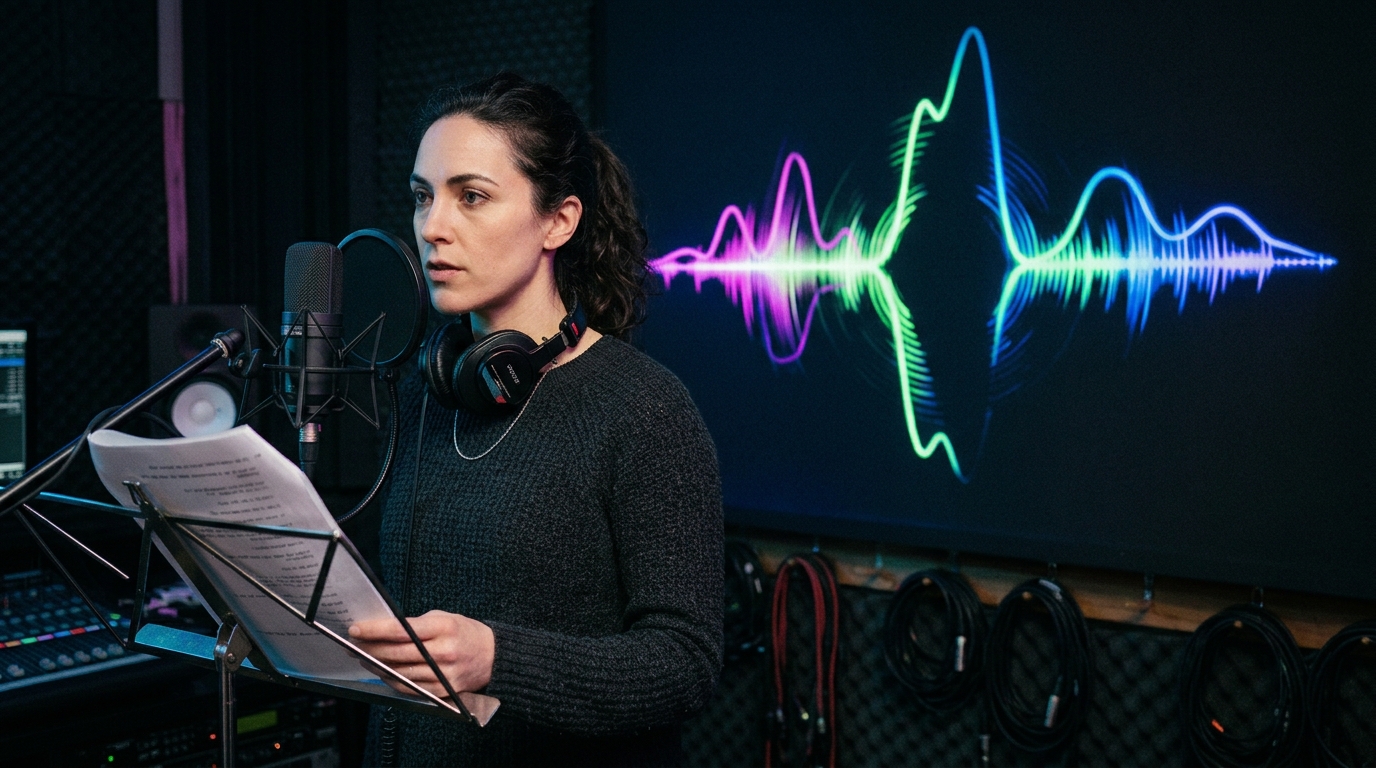
A voice can identify a person before a name appears. It carries accent, rhythm, emotion, training and history. For singers, actors, narrators and online creators, it is also part of the work they sell. Generative audio systems can now produce convincing speech or singing from limited source material, turning that identity into something that can be copied and reused at scale. The result is not merely a new production tool. It is a dispute over who can authorize a performance that sounds like someone, who gets paid, and who is responsible when the replica says something the person never said.
The issue is larger than celebrity impersonation. A cloned voice can appear in a song, game, audiobook, advertisement, customer-service call or family-emergency scam. It can be used with permission under a negotiated contract, or extracted from recordings already available online. The same technology that can help a performer license new work can also let strangers compete with that performer using a copy of their identity.
For Infamouz, this story connects the music desk with the internet desk. Our earlier coverage of AI-generated music uploads examined synthetic supply. Voice replicas expose the more personal question beneath that flood: when the sound is recognizably yours, does the law treat it as authorship, identity, property, performance or some combination of all four?
A Voice Is More Than Audio Data
Digital Replicas Collapse the Difference Between Performance and Identity
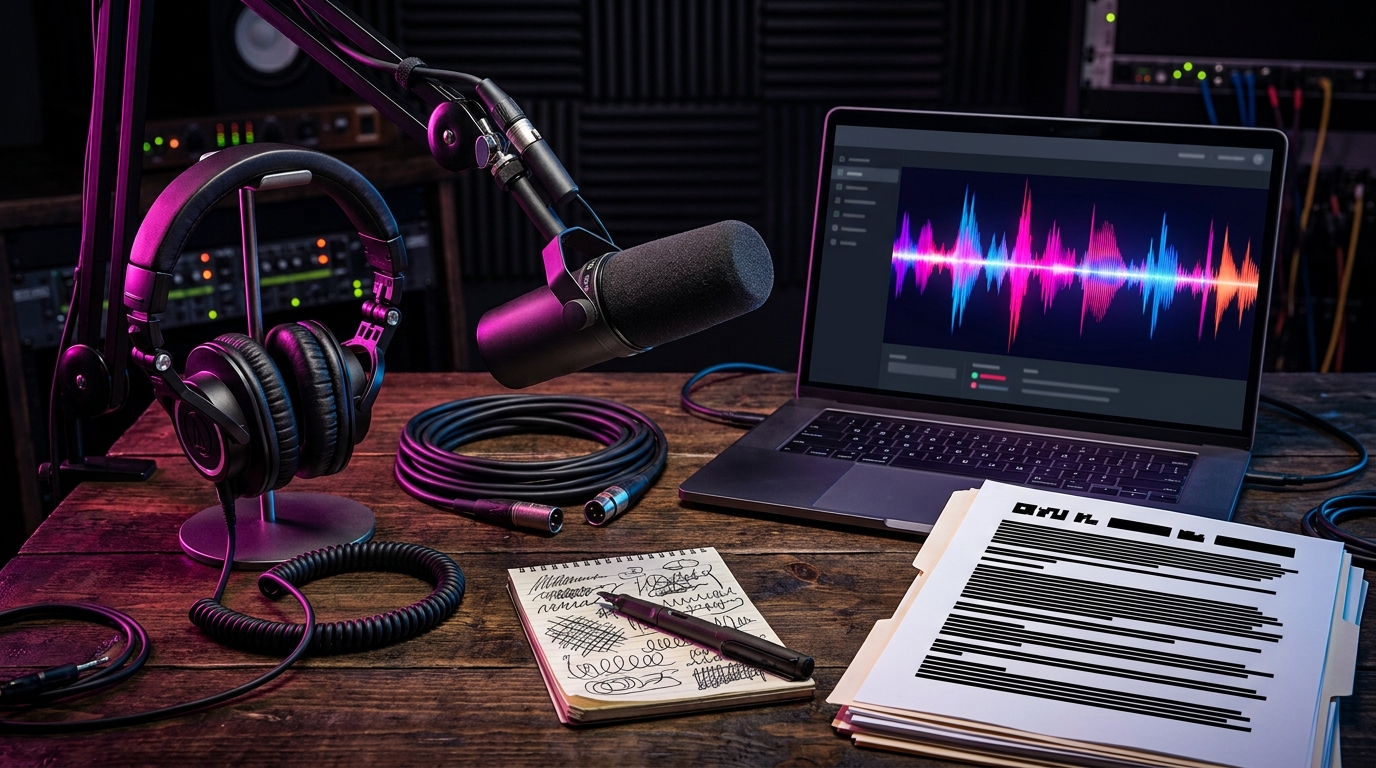
A traditional recording captures a specific performance. A singer records a line, an actor delivers dialogue, or a narrator reads a chapter. A digital voice replica changes that relationship. Once created, it may generate new words, notes, languages or emotional deliveries that were never recorded in the original session.
That distinction matters because a contract allowing one recording does not automatically answer whether a company may build a reusable voice model. The model can separate the economic value of the voice from the performer’s continued participation and create new outputs without another studio session.
Copyright Does Not Fully Answer Who Owns a Voice
The U.S. Copyright Office’s digital-replicas report explains why copyright law does not fully solve the problem. Copyright protects original expression fixed in a work, such as a sound recording or composition. A person’s identity, voice or likeness is not itself a conventional copyrighted work. Other protections may come from state publicity rights, privacy law, contract, consumer-protection rules or laws addressing particular harmful uses.
The Copyright Office recommended a federal law addressing unauthorized digital replicas because current protections are uneven. That does not mean every imitation should be prohibited. Commentary, parody, news reporting and scholarship require room. The difficult task is distinguishing protected expression from a realistic replica that substitutes for the individual, deceives an audience or exploits commercial value without permission.
In May 2026, federal lawmakers introduced a revised NO FAKES Act proposal aimed at national protections for voice and visual likeness. Introduction is not enactment, so creators should not assume a proposed federal remedy has already replaced state law or existing contract rights.
Consent Must Describe the Actual Uses
“I agree to AI use” is too vague to be meaningful consent. A performer needs to know what is being created, which recordings will train it, which project can use it, whether it can generate dialogue in real time, how long permission lasts, where the result can appear, and whether the model can be transferred. The agreement should also explain whether the performer can approve scripts, languages or sensitive uses.
SAG-AFTRA’s 2025 Interactive Media Agreement includes consent and disclosure requirements for digital replicas and addresses real-time generation in video games. The practical lesson extends beyond union productions: permission should be written, understandable and tied to a defined use, not buried in a general services clause or treated as permanent because a creator once recorded sample lines.
Consent also needs a stopping point. A performer may agree to one campaign but reject political advertising, adult content, medical claims or products that conflict with their values. Without boundaries, a one-time agreement can become an identity lease with no realistic end.
The Risks Extend Beyond Entertainment
Voice replicas are often discussed through music and film because famous voices attract attention. The everyday harms can be more direct. A believable clone can impersonate a family member, manager, executive, customer or public official. It can make a false request feel urgent and personal because the target recognizes the rhythm and emotion of the voice.
Fraud Turns Familiarity Into a Security Weakness
The Federal Trade Commission warns that scammers use cloned voices to make demands for money or information more convincing. A short clip from a public video, podcast or social account may provide enough material for an imitation. The safest response is not to trust a voice merely because it sounds familiar. End the call, contact the person through a known number, and verify the story independently.
Families and small teams can establish a private verification phrase. Businesses should require a second approval channel for unusual payments or sensitive changes. Creators may limit how much clean, isolated speech they publish, although avoiding public audio entirely is unrealistic for musicians, podcasters or video creators. Responsibility remains with the people committing fraud and the systems enabling abuse, not with victims for having an online presence.
Detection tools may help, but they are not complete solutions. A synthetic label can be removed, and detectors may fail as generation techniques change. This resembles the trust problem described in our article on automated web traffic: technical signals matter, but accountability cannot depend on one label or classifier.
Independent publishers also need rules for embedded audio. Infamouz should not post an alleged clone merely because it is viral. Editors should verify the source, consider whether replaying it creates additional harm, describe uncertainty clearly and follow the site’s editorial standards.
What Fair Voice Licensing Should Require
Consent, Compensation and Control Form a Practical Standard

Voice replication is not automatically exploitation. A performer may choose to license a digital voice for games, accessibility, translation, advertising or productions that would otherwise be difficult to schedule. The standard should not be whether AI appears in the workflow. It should be whether the individual made an informed choice and retains meaningful influence over how the replica is used.
SAG-AFTRA summarizes its approach through consent, compensation and control. Those principles are useful outside union contracts. Consent establishes permission. Compensation recognizes that the voice has economic value. Control defines the project, duration, audience and content. Missing any one creates an unstable arrangement: consent without fair payment can be coercive, while payment without limits can become permanent exploitation.
A Practical Checklist Before Licensing a Digital Voice
Before signing, a creator should identify the model and the company responsible for storing it. The contract should state which recordings may be used, whether new material can be generated, whether the replica can respond in real time, and whether the model or outputs can be sublicensed. It should define payment for creation, each use and renewals. It should also require security procedures, deletion or return terms, attribution rules and a process for challenging unauthorized outputs.
Creators should ask what happens if the company is sold, closes, suffers a breach or changes its product. They should preserve contracts, session files, invoices and written approvals. Independent legal advice may be appropriate for valuable or long-term licenses because this article provides general information, not advice for a particular agreement.
Platforms and producers also need visible disclosure. Listeners should be able to tell when a lead vocal, narration or character performance is synthetic, especially when it is designed to sound like a real person. Disclosure should not be hidden in metadata ordinary audiences never see. At the same time, a label should describe the process accurately rather than treating every edited performance as fully generated.
Readers
Readers can support responsible work by checking credits, following creators through official pages and refusing to share suspicious audio before verifying it. Our article on social media and creative flow argued that platforms should be tools for discovery and distribution rather than the entire creative process. The same principle applies here: a creator’s identity should not become raw material simply because a platform can access it.
The age of AI replicas forces culture to decide what a voice represents. It is sound, but it is also labor, reputation, identity and relationship. Technology can reproduce vocal characteristics; it cannot manufacture the permission that makes their use legitimate. The future of synthetic performance should be built around specific agreements, visible disclosure, enforceable boundaries and payment that reflects the value being licensed.
Infamouz will continue following digital-replica laws, performer contracts, platform labels and synthetic music through the music desk, internet desk and archive. The central rule is straightforward: a convincing copy of a person should not erase the person’s right to decide when, where and why that copy speaks.